
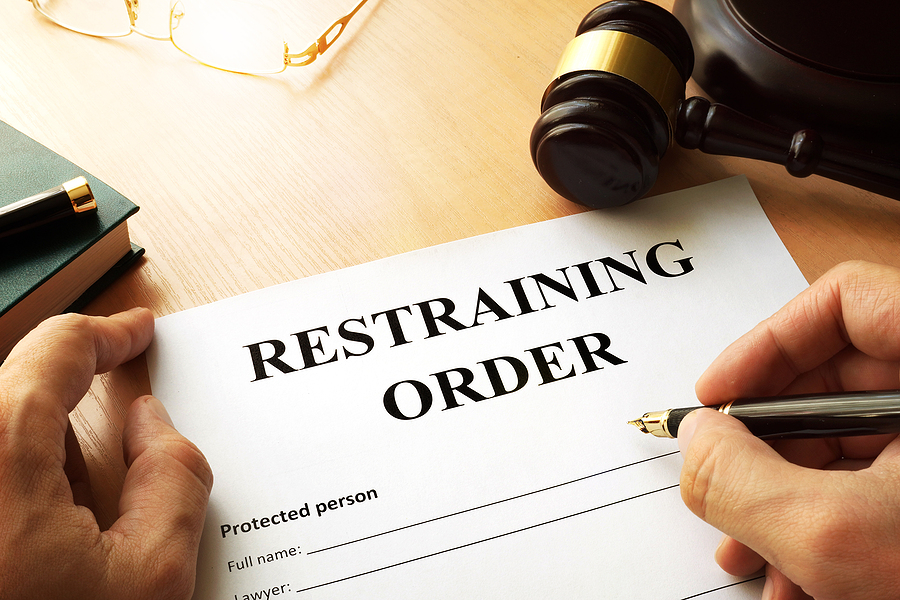
Contact law enforcement immediately if your ex violates a restraining order in New Jersey. Police can arrest your ex even without witnessing the violation. Reporting the violation immediately also creates a record that can help if the case goes to court.
What Constitutes a Restraining Order Violation in NJ?
Understanding what counts as a restraining order violation in New Jersey is important because it helps keep you safe. Restraining order violations aren’t limited to physical contact or threats. Violations can include text messages, phone calls, unwanted visits to your home or workplace, or even having a second party reach out to you on their behalf.
Even contact that seems insignificant or accidental can violate a restraining order. Read the details of your order to understand what’s covered, rather than relying on a generic understanding. And talk to your lawyer if you have specific questions.
5 Steps to Take After a Restraining Order Violation
Your restraining order is only as strong as your response when someone violates it. Here are the five steps to take right away:
#1. Call the police.
If your ex breaks any part of the restraining order, the police can help you enforce it. New Jersey officers can arrest anyone for violating a restraining order if there’s enough probable cause to show it happened. So don’t wait to see if the violation happens again. Act immediately while the details are fresh to avoid complications later.
#2. Don’t contact your ex.
No matter how angry or anxious you feel, never reach out to your ex and tell them to stop. Any contact you initiate can muddy the record of your ex’s actions, not yours. If you feel scared and need immediate help, reach out to law enforcement, contact a DV advocate, or speak to someone you trust, like a lawyer or a family member.
#3. Record what happened.
Memories fade, and so do important details. So, write down or record what happened as soon as you can, noting the date, time, and location of the violation. Also include contact information for any witnesses. Then preserve evidence supporting your claim, including any communication tied to the violation.
#4. Request the police report.
Officers will file a police report after they respond to your call. You have a right to a copy of that report. This document can become part of the official record a prosecutor or judge reviews to decide whether to file criminal contempt charges or pursue a civil enforcement motion.
#5. Get a lawyer.
Restraining order violations aren’t always simple, especially if they involve custody, support, or property rights. Experienced lawyers can help you sort out whether your situation requires a criminal report, civil enforcement, both, or neither. Contact Hand & Toker to confidentially share case details and determine your next steps.
New Jersey Criminal Contempt Laws
Your ex commits a crime if they purposely or knowingly violate a restraining order in New Jersey. Although the first violation is usually charged as a disorderly persons offense, it can put your ex at risk of having any other crime committed escalated to an indictable offense. If that happens, they could face steep fines or jail time.
Second violations of restraining orders in New Jersey typically trigger a mandatory jail sentence. Courts are tough on repeat violators, and prosecutors usually pursue these cases aggressively. Meet the defendant’s disregard for court orders by teaming up with trusted legal counsel.
Benefits of Having an Attorney
Restraining orders remain in effect indefinitely unless one party requests modification or dissolution and the judge grants it. A violation doesn’t cancel it, and involving law enforcement can strengthen your position. Involving an attorney also helps ensure your rights are protected.
Hand & Toker understand how a restraining order violation can impact your life, cause fear, and put your entire life under strain. Even after calling law enforcement to make it stop, other factors remain in play long after the arrest. Your legal team can help coordinate documentation and sort out what comes next for you and your family.
No one should have to navigate restraining order violations alone. If your ex has violated a court order to stay away and you’re unsure what to do next, contact 9-1-1, then reach out to Hand & Toker. Your safety and security come first; we can help handle everything that follows.
Schedule Your Consultation Now
Hand & Toker offers free, confidential consultations for restraining order violations in New Jersey. Reach out now and let’s talk.