
Your Legal Solution Starts with a Call






An uncontested divorce means both spouses mutually agree on all major issues like property division, child custody, child support, and alimony without requiring a trial. Most uncontested cases are filed as no-fault divorces, meaning neither party is accusing the other of wrongdoing; instead, the marriage is considered irretrievably broken.
The uncontested divorce process typically involves preparing and filing required documents with the court, exchanging financial information, drafting a written settlement agreement, and submitting final paperwork for judicial approval.
Required documents generally include a Complaint for Divorce, certification of insurance coverage, financial disclosures, and a signed marital settlement agreement outlining the terms you both accept. But even in amicable situations, divorce is a significant legal step. Having guidance ensures your agreement is enforceable.
You can trust our team at Hand & Toker to advocate passionately for your family’s best interests with expertise and care.
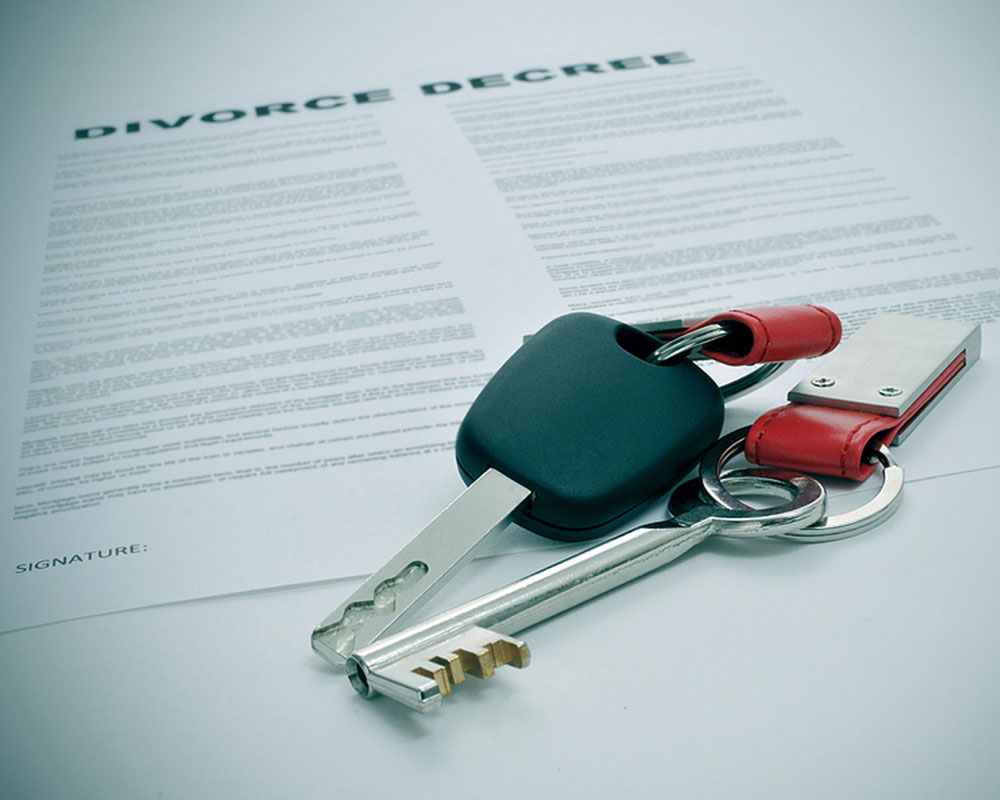
Many couples believe they do not need an attorney for an uncontested divorce because the process is cooperative and conflict-free. While it’s true that uncontested divorces are generally smoother, they still involve binding legal agreements that can affect your finances, property rights, and parental responsibilities for years to come.
Even in amicable situations, questions often arise about equitable distribution, future tax consequences, retirement account transfers, or the long-term impact of waiving spousal support. An experienced uncontested divorce lawyer can provide important legal assistance to prevent costly mistakes or new disputes.
A reputable law firm also ensures your settlement complies with NJ statutes and Somerset County court procedures. Judges will not approve agreements that fail to meet legal standards, particularly when minor children or child support are involved.
Proper legal representation reduces delays, protects enforceability, and gives both spouses confidence that the agreement will hold up over time.
Drafting and filing divorce papers in an uncontested case may seem straightforward, but accuracy and completeness are due before the court will grant a final judgment. The required documents formally initiate your divorce case and provide the legal foundation for the terms you and your spouse have agreed upon.
These filings typically outline the grounds for divorce include detailed financial disclosures, and present the full terms of your negotiated settlement. However, the most critical document in an uncontested divorce is the marital settlement agreement.
This written contract governs how marital property will be divided, whether alimony or spousal support will be paid, how debt will be allocated, and, when applicable, how child custody, visitation, and child support will be structured. Because this agreement becomes enforceable once incorporated into the final judgment, ambiguous language or missing provisions can create complications.
After filing, the other spouse formally acknowledges service. Both parties then submit required certifications and financial statements. Jurisdictional requirements must also be met. For example, at least one spouse must satisfy New Jersey residency requirements before filing. Filing fees, procedural deadlines, and court formatting rules must be followed precisely, so contact Hand & Toker for strategic guidance.
Even in an uncontested divorce, the court and a judge play a vital oversight role before your marriage is legally dissolved. While you and your spouse may have reached mutual agreement on all terms, the court must ensure that those terms comply with New Jersey law and that the agreement was entered into voluntarily, knowingly, and without coercion.
In many uncontested divorce cases, the final hearing is brief and procedural. The court’s primary responsibility is to confirm that the agreement is legally sound and fair. Therefore, judges are particularly attentive to whether both spouses had the opportunity to review the agreement and whether the terms appear balanced and enforceable.
Courts may ask a few simple questions to confirm that both spouses entered the agreement willingly and understand its terms. If minor children are involved, the judge will review custody and child support arrangements to confirm they meet legal guidelines and serve the best interests of the child.
While the process is typically straightforward, proper preparation ensures the court review proceeds smoothly without unnecessary delays. Book a consultation with an uncontested divorce lawyer today.
Spouses agree on asset division, marital property, and financial support without litigation in an amicable divorce. And New Jersey follows equitable distribution principles, meaning assets are divided fairly. However, fairness is determined through mutual negotiation rather than court-imposed rulings in these cases.
Some couples choose equal division of marital property; others adjust distribution based on income, contributions, or practical considerations. Marital property may include real estate, retirement accounts, investment portfolios, vehicles, and shared debt. Divorcing spouses can decide how to allocate these assets in a way that works for both parties.
Alimony may also be included in the agreement. Couples can mutually agree whether spousal support will be paid, how much, and for how long. Still, clear drafting is crucial to avoid mishaps and misunderstandings.
In an uncontested divorce, cooperation creates meaningful flexibility. Instead of asking a judge to decide how property should be split, spouses maintain control and design solutions that reflect their financial goals and priorities. This collaborative approach often means more practical and personalized outcomes than a court-imposed ruling.
The first step in asset division is identifying all marital assets. These commonly include:
Full financial transparency is essential, so both spouses should exchange complete and accurate information for a clear understanding of what exists and what it’s worth. From there, couples can decide how to divide assets in a way that feels fair.
Some may agree to sell the marital home and divide the proceeds. Others may choose for one spouse to keep the home while refinancing the mortgage and buying out the other’s share. Contact Hand & Toker to discuss your options and determine your next move.
When minor children are involved, an uncontested divorce requires planning that prioritizes stability, structure, and the well-being of the family. Even though both parents may agree on ending the marriage, decisions regarding child custody, visitation, and child support must be carefully documented and aligned with New Jersey guidelines.
Somerset County parents are encouraged to create a detailed parenting plan that outlines legal custody (decision-making authority) and physical custody (where the child lives). Addressing these details in advance reduces misunderstandings and helps children adjust to a new routine with minimal disruption.
A divorcing couple must be willing to communicate openly, compromise thoughtfully, and prioritize practical solutions over emotional reactions. While ending a marriage is never easy, cooperation allows both spouses to retain control over the outcome rather than leaving decisions in the hands of a judge.
Reaching agreement often involves candid discussions about finances, property, support, and parenting responsibilities. Each spouse should understand their rights and obligations before signing a final settlement.
An uncontested divorce does not mean the process is emotionless. However, clear written agreements protect both spouses and provide a structured framework for moving forward independently.
What documents are required for an uncontested divorce in Somerset County?
Required documents typically include a Complaint for Divorce, certification of insurance coverage, financial disclosures, and a signed marital settlement agreement outlining the terms of your divorce. All divorce papers must be properly filed with the court, and filing fees must be paid before the case proceeds.
How is child support determined in an uncontested divorce?
Child support is calculated using New Jersey’s Child Support Guidelines, which consider each parent’s income, parenting time, healthcare expenses, and certain child-related costs. Parents may agree on additional expenses beyond the guideline amount, provided the arrangement remains fair and compliant with state law.
Can we include an alimony agreement in our uncontested divorce?
Spouses may negotiate alimony or spousal support terms and include them in their written settlement agreement. The agreement should specify the amount, duration, and payment method. Courts generally approve mutually agreed-upon spousal support arrangements if they appear fair and were entered into voluntarily.
What’s the difference between contested and uncontested divorce?
An uncontested divorce occurs when both spouses mutually agree on all major issues, including property division, support, and parenting arrangements. A contested divorce involves disagreement that requires court intervention or trial.
Taking the step toward divorce means paperwork, timelines, and long-term financial impact. An uncontested divorce may be cooperative, but it is still a legally binding process that requires careful drafting, accurate filings, and compliance with Somerset County court procedures.
Having experienced legal guidance ensures that your agreement is thorough, enforceable, and aligned with New Jersey law. Our Somerset County team is dedicated to providing steady, respectful guidance tailored to your unique circumstances.
Our goal is to help you move through this transition as smoothly as possible, with practical guidance that protects what matters most to you and helps you feel steady about what comes next. Call our Somerset County law office today or fill out our online contact form to schedule your consultation.
Let us help you move forward with a clear plan for the next chapter of your life.